Introduction: The Ground Beneath Our Feet
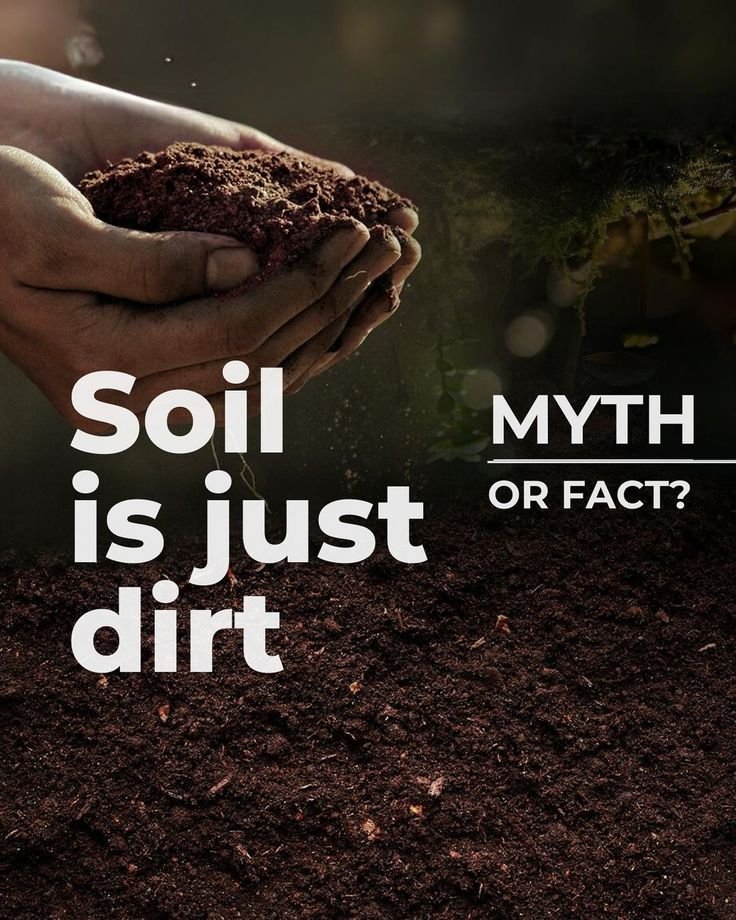
We walk on it every day, build our cities upon it, and depend on it for nearly every meal we consume. Yet, soil remains one of the most underappreciated resources on Earth—often dismissed as mere “dirt” beneath our feet. This oversight carries profound consequences for human health, food security, and the stability of our global ecosystem. As the scientific community increasingly recognizes, soil is not an inert substrate but a living, breathing ecosystem that sustains life on our planet. An estimated 95 percent of global food production depends directly or indirectly on soil, and soils store more than 2,500 gigatonnes of organic carbon—more than three times the amount held in the atmosphere . Yet, approximately one-third of the world’s soils are already moderately to highly degraded through erosion, salinization, compaction, acidification, and chemical contamination . This comprehensive exploration examines the intricate relationship between soil health and human well-being, demonstrating why soil health, its benefits, importance, and improvement strategies must become central to our approach to agriculture, public health, and environmental sustainability.
Defining Soil Health: A Living Ecosystem
The concept of soil health has evolved considerably over the past three decades. The United States Department of Agriculture Natural Resources Conservation Service defines soil health as “the continued capacity of soil to function as a vital living ecosystem that sustains plants, animals, and humans” . This functional definition foregrounds biological vitality and ecosystem function rather than the narrower physico-chemical perspective implied by the older term “soil quality,” which was primarily oriented toward agricultural productivity. The Food and Agriculture Organization offers a complementary definition, describing soil health as “the capacity of soil to function as a living system, with ecosystem and land use boundaries, to sustain plant and animal productivity, maintain or enhance water and air quality, and promote plant and animal health” .
However, despite considerable literature and debate, there remains discord around the fundamental question: what is a healthy soil? This is not surprising, given the complex roles soil provides—from the range of food, fiber, and medical products to hosting a biodiverse community and supporting the water and nutrient cycles. While a consensus seems to suggest that a soil in good health should be able to provide goods and services in perpetuity, this does not define soil health so much as its provisioning functions . The concept of soil health captures the ecological attributes of the soil, which have implications beyond its quality or capacity to produce a particular crop. These attributes are chiefly those associated with the soil biota: its biodiversity, its food web structure, its activity, and the range of functions it performs .
Researchers have drawn compelling analogies between human and soil health to explore this question. To identify the cause of a symptom, we compare diagnostic pH in both humans and soil, demonstrating similarities between how human and soil health concerns are addressed. In humans, genetics express many traits and can predispose one to certain illnesses or diseases. In the same way, parent material, soil texture, and length of time exposed to weathering can inform a soil’s capability and predisposition for certain habitats or uses. This analogy highlights that **soil health**, like human health, is not a fixed state but a dynamic condition requiring ongoing assessment, care, and appropriate intervention.

Why Soil Health Matters: The Five Essential Functions
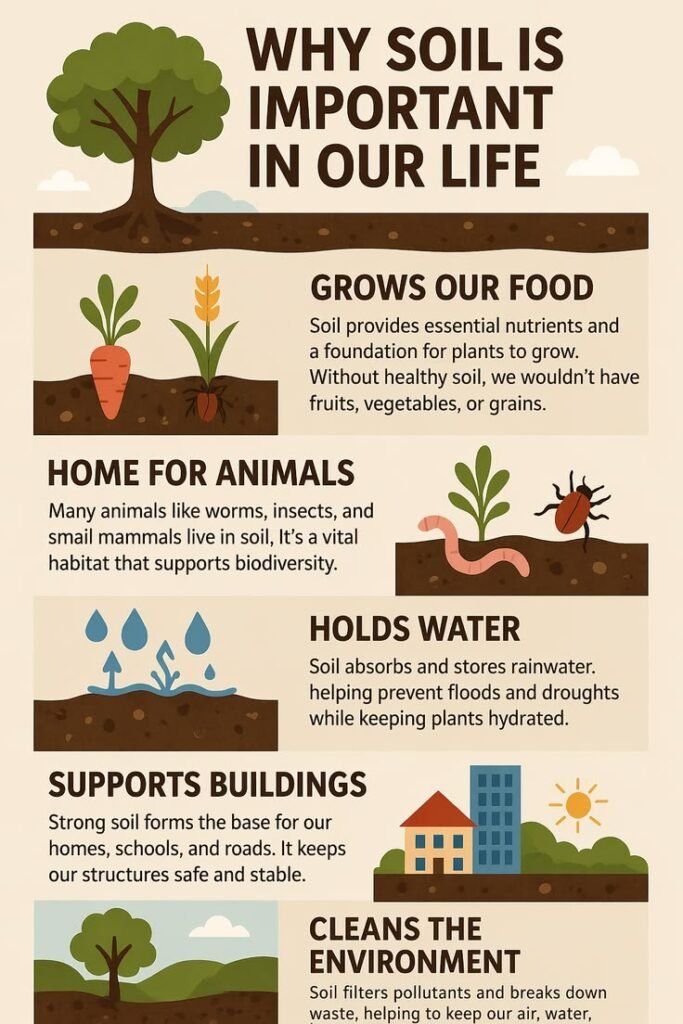
Soil does far more than simply anchor plants and provide a medium for growth. According to the Natural Resources Conservation Service, healthy soil performs five essential functions that are fundamental to life on Earth :
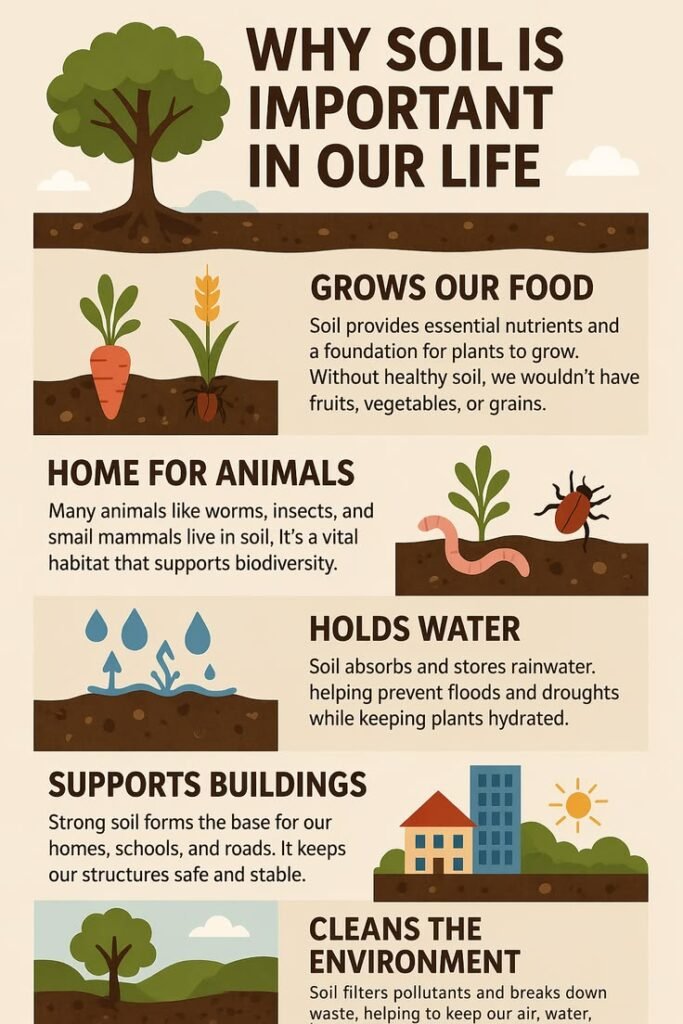
Regulating Water: Soil helps control where rain, snowmelt, and irrigation water goes. Water flows over the land or into and through the soil. This regulation is critical for preventing floods, recharging groundwater, and ensuring water availability during dry periods.
Sustaining Plant and Animal Life: The diversity and productivity of living things depends on soil. Without healthy soil, the foundation of terrestrial food webs collapses.
Filtering and Buffering Potential Pollutants: The minerals and microbes in soil are responsible for filtering, buffering, degrading, immobilizing, and detoxifying organic and inorganic materials, including industrial and municipal by-products and atmospheric deposits. Healthy soil acts as a natural water purification system.
Cycling Nutrients: Carbon, nitrogen, phosphorus, and many other nutrients are stored, transformed, and cycled in the soil. This cycling is essential for plant growth and the productivity of agricultural systems.
Providing Physical Stability and Support: Soil structure provides a medium for plant roots. Soils also provide support for human structures and protection for archaeological treasures.
These functions are not independent; they are deeply interconnected and mutually reinforcing. When soil health declines, all five functions are compromised, with cascading effects on food production, water quality, biodiversity, and human health.
The Soil-Human Health Connection: Direct and Indirect Pathways
The connection between soil health and human health operates through multiple, interconnected pathways that extend far beyond food production. The National Academies of Sciences, Engineering, and Medicine have explored these linkages, identifying pathways including food chain contamination, water quality impairment, airborne particulate exposure, direct microbial contact, and antimicrobial resistance dissemination .
The Food Chain Pathway
The most obvious connection between soil and human health lies in the food we eat. Healthy soils produce nutrient-dense crops, while degraded soils yield food with diminished nutritional value. The nutrient quality of crops is inherently linked to the health of the soil in which they grow. Depleted soils lead to nutrient-poor food, exacerbating global malnutrition and “hidden hunger” caused by deficiencies in vitamins and minerals . The FAO emphasizes that healthy soils are directly tied to human health, noting that the nutrient quality of crops is inherently linked to the health of the soil in which they grow .
The Water Quality Pathway
Soil plays a critical role in water purification, acting as a natural filter that removes contaminants from water bodies. Soil degradation undermines this filtration capacity, leading to water quality impairment and increased risk of waterborne diseases. When soil erosion occurs through water, it decreases water quality, and dust storms can carry harmful pathogens and contaminants .
The Microbial Pathway
Perhaps one of the most fascinating and underappreciated connections between soil and human health lies in the microbiome. Soil harbors a rich diversity of organisms that recycle nutrients, decompose organic matter, and suppress pests and diseases in plants . The FAO highlights that “getting our hands dirty as children exposes us to the diversity of bacteria and fungi in healthy soils, decreasing incidence of asthma, strengthening our immune system and seeding our own gut microbiome. Playing in the dirt as adults puts us in contact with soil organisms that can release compounds that are beneficial for our mental health” .
Genetic and Medicinal Resources
Soils also harbor genetic resources that can result in new medicines, including antibiotics . Soil biota produce a variety of small molecules with bioactivity and are important sources of antibiotics, immunosuppressants, anti-cancer drugs, and cholesterol-lowering medications. Table 3-2 in the National Academies report showcases representative commercial antibiotics and pharmaceuticals derived from soil microbial natural products. Among these, 70 percent of all medicinal products are ascribed to a single Actinobacterial genus, Streptomyces, while medicinal-producing fungal genera include Penicillium, Aspergillus, Trichoderma, and Fusarium . An examination of 162 antibiotics marketed between 1982 and 2019 revealed that 7 percent were natural products and 48 percent were derived from natural sources .
Despite the estimation of hundreds of thousands of antibiotic substances in soil, less than 5 percent have been characterized . This untapped potential highlights the critical importance of preserving soil biodiversity for future medical discoveries.
The Importance of Soil Health for Agriculture and Food Security
Achieving global agricultural production goals is becoming more difficult due to multiple challenges and increasing climate variability. As the global population is expected to reach 8.9 billion by 2050, agricultural systems will face growing pressure to produce more food sustainably . It is estimated that the global cereal equivalent food demand will increase from 10,094 million tons in 2030 to 14,886 million tons by 2050 . Meanwhile, malnutrition remains a problem: in 2020, 149.2 million children under five were stunted, 45.4 million wasted, and 38.9 million overweight .
Environmental degradation worsens these issues. According to the FAO, 33 percent of global soils are already degraded, reducing agricultural productivity and increasing vulnerability of crops and livestock to pests and diseases . Approximately 2 billion hectares, 25% of the world’s land, is already degraded, and 24 billion tons of productive soil are lost each year .
Soil health directly influences crop yields and farm profitability. Improved soil health leads to better plant growth and quality, which can directly translate to increased yields and profits. Healthier soils are more resistant (can withstand) and resilient (can bounce back) to periods of environmental stress such as heavy rain, drought, or pest and disease outbreaks . Management that emphasizes soil health practices can lead to reduced input costs by decreasing losses and improving use efficiency of fertilizer, pesticide and herbicide, irrigation applications, and tillage passes .

The Soil Hydrology Connection: Water Management Through Soil Health
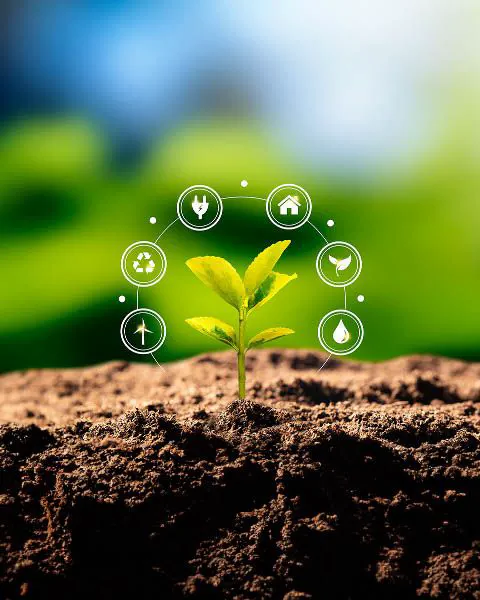
Soil health is key to sustainable agriculture, yet its role in mediating hydrological processes has not been well explored. A comprehensive review synthesizing the complex interactions between soil health and ecohydrology focuses on how soil health and soil management practices enhance water storage, reduce runoff, and improve resiliency . Benefits of increasing soil health on agricultural soils fall into three categories: improvements to the hydrologic cycle, greater crop yields and resilience, and reductions of greenhouse gas emissions .
The four soil health principles—minimize disturbance, maximize living roots, maximize soil cover, and maximize biodiversity—when combined with considerations of local context, provide a practical approach to optimizing ecohydrological functions . This approach is relevant to farmers, agrifood companies, and policy makers as a tool for credibly simplifying sustainability reporting and a framework for prioritizing action and investment in support of climate resilience and resource efficiency.
Soil Health Improvement Strategies: The Four Core Principles
The USDA Natural Resources Conservation Service has established four core principles for managing soil health :
1. Maximize Presence of Living Roots
Living roots are essential for maintaining soil structure, providing food for soil organisms, and cycling nutrients. Plant roots form channels through the soil that facilitate water and oxygen movement and dispersal . Most soil organisms and plant roots are aerobic and need oxygen. Plant roots, earthworms, and many other organisms release sticky exudates that improve soil aggregation. Cover cropping allows for living roots to be present during periods of time when cash crops are not typically grown, such as over the winter in a corn-soybean rotation .
2. Minimize Disturbance
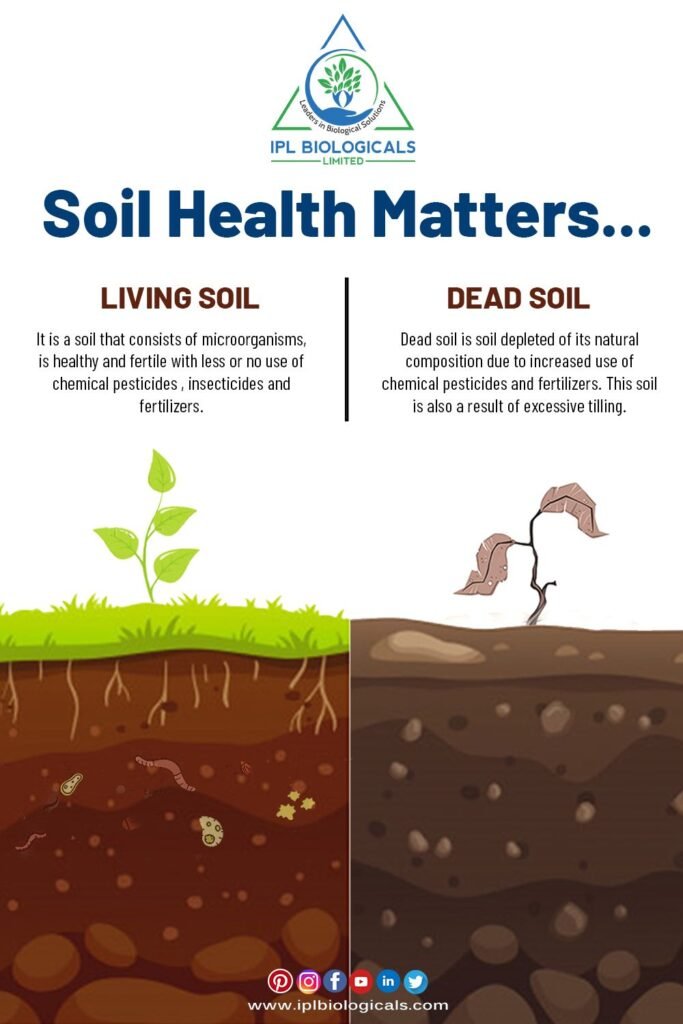
Excessive tillage disrupts soil structure, destroys soil aggregates, and accelerates the breakdown of organic matter. Conservation tillage limits the area of soil surface disturbance. Strip-tilling limits tillage to a 6-8 inch width per row, where the cash crop will be planted, but leaves the area between rows untilled. No-tilling decreases disturbance further, only exposing a very narrow width of soil during cash crop planting, while the soil surface remains largely undisturbed . Research from Pakistan demonstrated that no-tillage combined with biochar mulch significantly improved soil health indicators, with 76.2% and 98.2% increases in soil organic carbon and total nitrogen, respectively, compared to conventional tillage .
3. Maximize Soil Cover
Soil cover protects the soil from erosion, reduces water evaporation, moderates soil temperature, and provides habitat for soil organisms. Cover crops, mulching, residue retention, and green manuring are all effective strategies for maintaining soil cover. Cover crops offer benefits through their roots, forming channels through the soil to facilitate water and air movement and providing a food source and habitat for a diversity of soil organisms . After they die, cover crop tissue that remains on the soil surface serves as a mulch, helping hold moisture during drought and preserving soil surface structure by reducing the impact force of rain droplets. The mulch can also help suppress weeds, helping farmers reduce herbicide usage .
4. Maximize Biodiversity
Biodiversity is essential for soil health. A diverse community of soil organisms serves different roles and influences the physical and chemical components of soil. Crop diversity can be achieved through crop rotation, intercropping, or cover cropping. This involves not just growing different species, but growing those that fall within different functional groups. One teaspoon of agricultural soil typically contains 100 million to one billion bacteria, several meters of fungi, thousands of protozoa, and 10-20 nematodes . The rhizosphere around active roots houses over 30,000 bacterial species, indicating a positive link between organic compounds and microorganism populations .
The Soil Microbiome: The Engine of Soil Health
Soil organisms coexist in an intricate food web fueled by organic residues and root exudates, and play a central role in soil health . Bacteria are plentiful but have a small biomass due to their size, while actinomycetes have comparable biomass but are fewer and larger. Fungi, though fewer in number, contribute significantly to overall soil biomass . Soil total biomass generally falls within the range of 8-15 tons per hectare, with variability driven by soil type, organic matter content, and land-use practices .
Organisms such as earthworms, ants, termites, and plant roots can change the formation of soil or serve as soil engineers. They form channels through the soil that facilitate water and oxygen movement and dispersal . Rhizobia bacteria form nodules on legume plant roots, serving as factories in which they transform atmospheric nitrogen gas to ammonia nitrogen, the form of nitrogen readily used by plants. Mycorrhizal fungi grow within plant roots, with hyphae that are 1/60 the diameter of the plant root, giving them access to much smaller soil pores than the roots can access .
Considering the central role of soil organisms in improving soil health, we can build **soil health** by creating an environment that encourages a large and diverse population of soil organisms. This can be accomplished by following the four key soil health management principles .
Regenerative Agriculture: A Path Forward
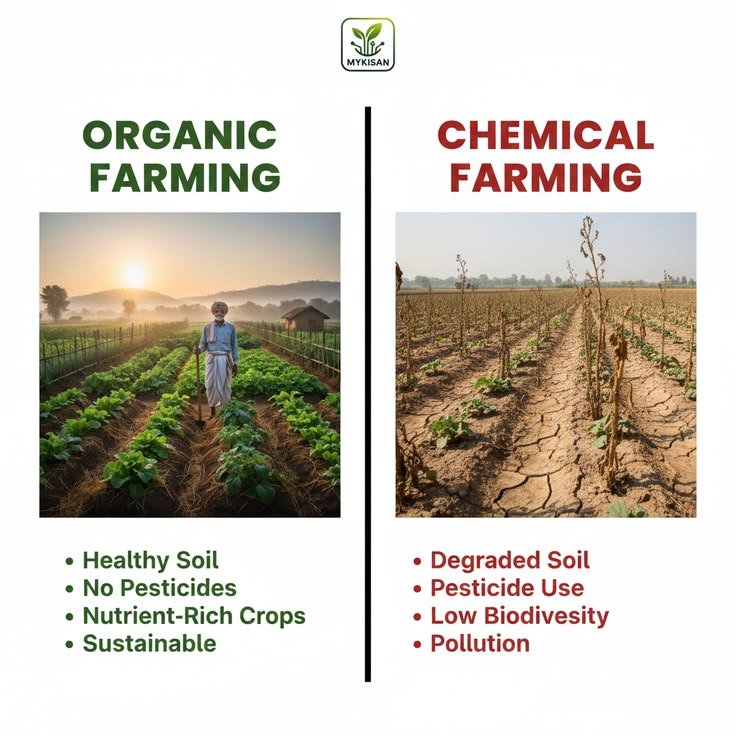
Regenerative agriculture represents an emerging approach that challenges industrial agricultural methodologies, offering potential strategies to mitigate the myriad challenges associated with global agricultural food production. Regenerative agriculture enhances soil health, biodiversity, and watershed function while improving overall ecosystem services . The main philosophy of regenerative agriculture is to do more with less land, fewer chemical inputs, reduced water use, lower greenhouse gas emissions, and less degradation .
Practices foundational to regenerative agriculture include reduced tillage, crop rotation, intercropping, rotational grazing, cover cropping, and agroforestry. Crop residue management, for example, can increase soil organic carbon, whereas certain cultivation practices may reduce soil organic carbon by accelerating the breakdown of physically protected carbon .
Crop diversification, intercropping, and crop rotation are seen as effective strategies under the soil security framework . However, achieving long-term adaptation requires updating agricultural production methods to current climate conditions, which calls for comprehensive, system-wide actions and significant policy and institutional changes at both national and local levels .

Global Soil Health Initiatives: The India Example
The Indian government launched the Soil Health Card scheme to promote integrated nutrient management through judicious use of chemical fertilizers in conjunction with organic manures and bio-fertilizers . Soil samples are processed following standard procedures and analyzed for various parameters including pH, electrical conductivity, organic carbon, available nitrogen, phosphorus, potassium, sulphur, and micronutrients. The Soil Health Card provides information to farmers on soil nutrient status and recommendations on appropriate dosage of nutrients to improve soil health and increase agricultural production .
An impact study found that there is reduction in fertilizer use, especially nitrogen, and increase in bio-fertilizers and other micro-nutrients use. Overall, paddy farmers reduced use of urea by 9% and Di Ammonium Phosphate/Single Super Phosphate by 7% but increased use of potassium by 20% . The study found that application of fertilizer and micronutrients based on Soil Health Card recommendations resulted in 8-10% of savings and overall increase in the yield of crops to the tune of 5-6% .
Soil Health and Climate Change Mitigation
Soils play a critical role in climate regulation. Degraded soils release stored carbon in the form of carbon dioxide, accelerating climate change—a recognized driver of health crises . Loss of soil carbon also diminishes the soil’s ability to absorb rainwater, leading to flooding . Between 1990 and 2015, roughly 3.1 billion tons of carbon were lost from 2 million square kilometers of land .
Enhancing soil organic carbon stability improves soil structure, water and nutrient retention, buffering capacity, and microbial activity . Sustainable soil management practices, such as agroforestry, reduced tillage, and the use of organic fertilizers, restore degraded soils while enhancing their ability to sequester carbon . These practices also reduce the need for synthetic inputs like chemical pesticides, which harm both ecosystems and human health .

Soil Health and One Health
Soil health is central to the One Health approach, which seeks to integrate the well-being of all life forms to promote sustainable living and combat global challenges like climate change, food insecurity, and disease outbreaks . The FAO emphasizes that in our interconnected world, the health of humans, animals, plants, and the environment is inseparable. Soil, a vital but often overlooked component of this balance, is central to the One Health approach .
Soil conservation as a One Health strategy offers far-reaching benefits. Soil health interventions have far-reaching benefits within the One Health approach. Sustainable soil management practices restore degraded soils while enhancing their ability to sequester carbon, benefit biodiversity, mitigate climate change, and secure the long-term productivity of agricultural systems .
Measuring Soil Health
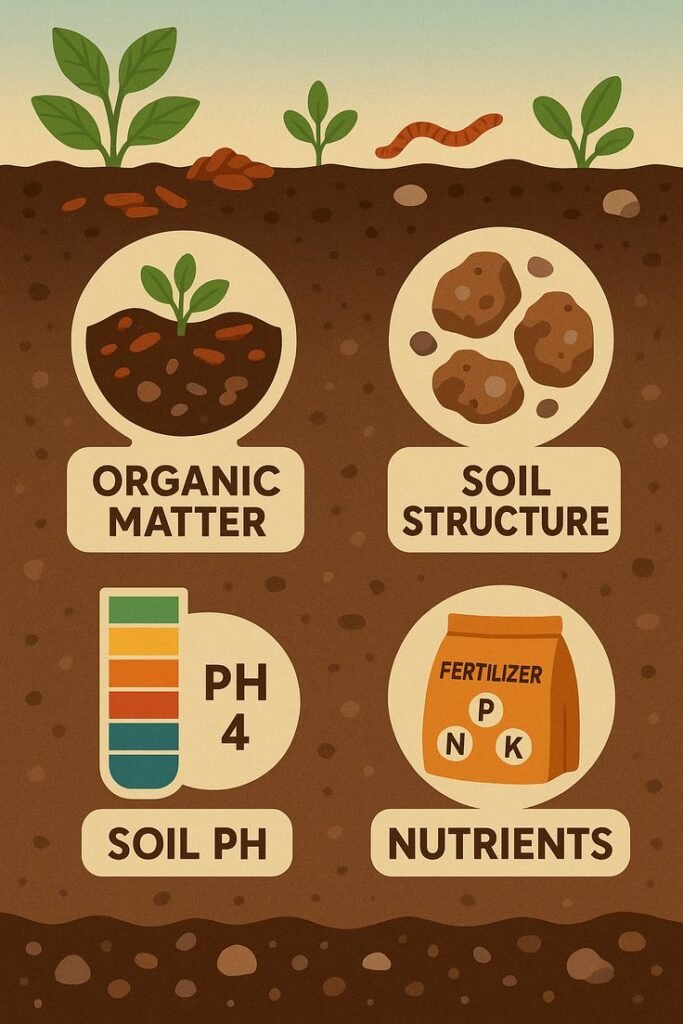
Soil health can be assessed in the lab and/or in the field. Several universities and private labs offer soil health testing that includes biological, chemical, and physical parameters indicative of soil health. According to the <a href=”https://www.nrcs.usda.gov” target=”_blank” rel=”dofollow”>Natural Resources Conservation Service (NRCS)</a>, soil health is the continued capacity of soil to function as a living ecosystem that sustains plants, animals, and humans. Because increases in organic matter are often the result of soil health management practices such as no-till or cover cropping, we can measure soil health parameters in the field by simply digging and examining shovelfuls of soil. Research from <a href=”https://www.sare.org” target=”_blank” rel=”dofollow”>Sustainable Agriculture Research and Education (SARE)</a> highlights how cover crops and reduced tillage can significantly improve soil structure and biological activity. This works best when comparing two soils in close proximity to each other but with different management histories, such as a tilled area versus an untilled area of a field.
A healthier soil will have better soil aggregation, a darker color, more soil organisms such as earthworms, and more roots. To assess how well the soils will stay aggregated when exposed to rain, we can place small clumps of soil in water; aggregates from the healthier soil will remain intact longer. To assess compaction, we can stick a wire flag in the ground to compare resistance. To assess infiltration, we can pour water into a metal ring hammered into the ground; a healthy soil will infiltrate faster. Additional guidance on evaluating soil quality and infiltration can be found through the <a href=”https://www.fao.org/soils-portal” target=”_blank” rel=”dofollow”>Food and Agriculture Organization (FAO) Soil Portal</a>, which provides extensive resources on soil management and conservation.
Conclusion
Soil health is the foundation of sustainable agriculture, environmental resilience, and human well-being. Healthy soils support crop productivity, improve water quality, enhance biodiversity, store carbon, and contribute to global food security. As challenges such as climate change, land degradation, and population growth continue to intensify, adopting effective soil management practices has become more important than ever. Strategies such as minimizing soil disturbance, maintaining soil cover, increasing biodiversity, and promoting living roots can significantly improve soil health and ensure long-term agricultural sustainability.
Organizations like the Food and Agriculture Organization (FAO) and the Natural Resources Conservation Service (NRCS) continue to emphasize the importance of soil conservation and regenerative farming practices for a healthier planet. By investing in soil health today, farmers, policymakers, and communities can secure a more productive, resilient, and sustainable future for generations to come.
For more insights on sustainable agriculture, environmental conservation, and innovative farming practices, visit Musalam Creations.