Introduction: The Silent Crisis and the Path Forward
In an era of unprecedented technological advancement and material prosperity, a silent crisis is unfolding across the globe. Mental health disorders have emerged as one of the most significant public health challenges of our time, affecting people of all ages, backgrounds, and circumstances. The World Health Organization estimates that depression alone affects more than 280 million people worldwide, and anxiety disorders affect an estimated 301 million. Yet, despite the staggering prevalence of mental health conditions, the global response remains woefully inadequate, particularly in low- and middle-income countries where mental health services are often fragmented, underfunded, or entirely absent.
The COVID-19 pandemic exposed and exacerbated these vulnerabilities, with reports of anxiety and depression increasing by 25% globally during the first year of the pandemic. In South Asia, the situation is particularly acute. School-based studies have estimated that the prevalence of anxiety disorders is as high as 82% in India and 68% in Pakistan, while the highest prevalence of depression in the region is 58% in Sri Lanka. These staggering figures underscore an urgent reality: we can no longer afford to treat mental health as an afterthought. The path forward requires a fundamental shift in how we approach mental health care, moving from a reactive model focused on treating illness to a proactive, strengths-based approach centered on building resilience and emotional strength.
Mental Health Care: Building Resilience and Emotional Strength** is not merely a therapeutic goal; it is a public health imperative. This comprehensive exploration examines the science of resilience, the practical strategies for building emotional strength, and the transformative potential of community-based approaches that are reshaping how we support mental well-being across the lifespan.
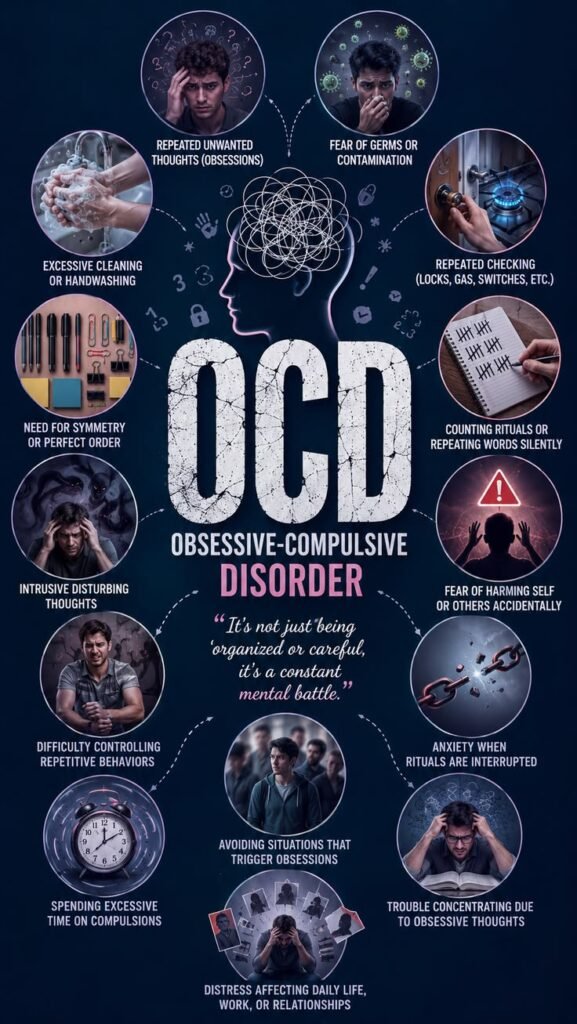
Defining Resilience: What It Is and What It Is Not
Resilience is a concept that has gained considerable attention in psychology, business, and public health, yet its meaning is often misunderstood. The American Psychological Association defines resilience as “the process of adapting well in the face of adversity, trauma, tragedy, threats, or significant sources of stress” and notes that it can also involve profound personal growth. Similarly, the Mayo Clinic describes resilience as “being able to adapt to life’s misfortunes and setbacks”. Dr. Amit Sood, executive director of the Global Center for Resiliency and Well-Being, offers a particularly evocative definition: “Resilience is the core strength you use to lift the load of life”.
Understanding what resilience is not is equally important. Resilience does not mean having a smooth or painless life. On the contrary, the road to resilience is fraught with barriers, obstacles, setbacks, and challenges. Resilient people still experience anger, grief, and pain when facing difficult events. The difference is that they are able to keep going, both physically and psychologically, rather than becoming stuck in their struggles. Resilience isn’t about putting up with something tough or coping on your own; in fact, being able to reach out to others for support is a key part of being resilient.
Some people seem to naturally possess traits that make them resilient, but resilience is not an innate, fixed characteristic. It is more like a muscle that, when worked with regularity and intentionality, becomes stronger over time. This is perhaps the most hopeful message in resilience research: we can all grow our resilience through learning thoughts, feelings, and behaviors that anyone can develop. This understanding is central to how **Mental Health Care: Building Resilience and Emotional Strength** can be integrated into educational systems, community programs, and clinical practice.
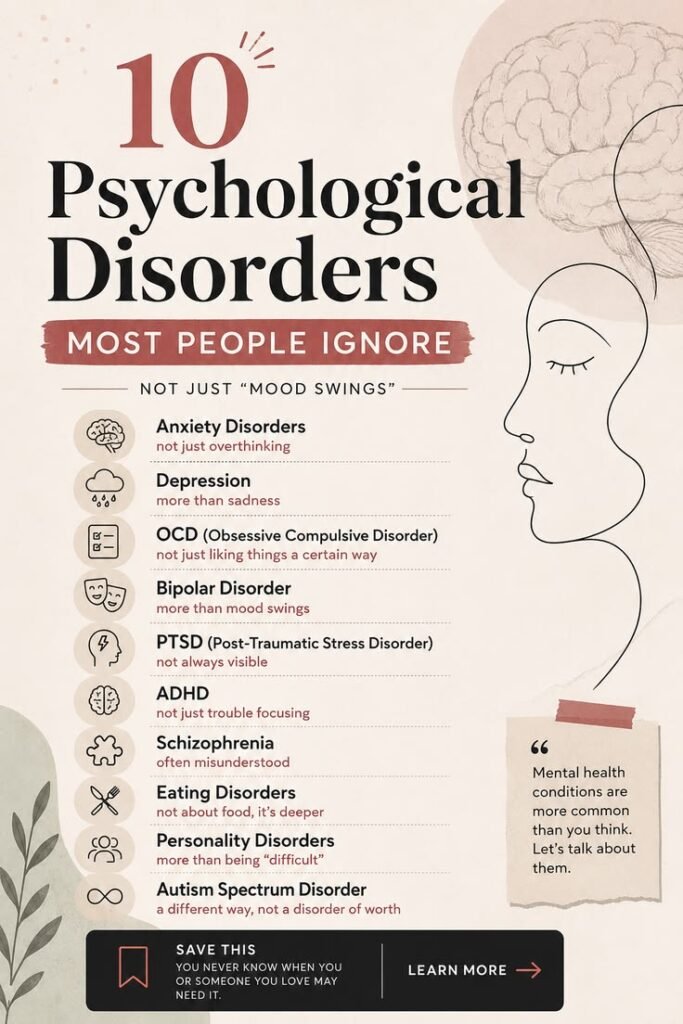
Why Resilience Matters: The Evidence Base
The importance of resilience extends far beyond feeling better in the moment. Research has consistently demonstrated that resilience is a powerful protective factor for mental health, helping to prevent the development of depression, anxiety, and other mental health conditions. Resilience also can help people deal with things that increase the risk of mental health conditions, such as being bullied or having trauma. For those already living with a mental health condition, being resilient can help them cope better and achieve better outcomes.
Angela Duckworth’s seminal research into grit, a type of resilience, has clearly shown that it is not talent but persistence—the willingness to get back up and try again after being knocked down—that gets people across the finish line to success. People who have not developed their resilience may respond to setbacks by feeling overwhelmed or helpless, or by relying on unhealthy coping strategies, such as avoidance, isolation, or substance use. One study showed that patients who had attempted suicide had significantly lower resilience scale scores than patients who had never attempted suicide. This finding highlights the life-saving potential of resilience-building interventions.
A more nuanced understanding of resilience recognizes that it is not merely an individual trait but is shaped by the systems around a person. As Dr. Sarah Cresswell, a senior lecturer in Counselling and Psychotherapy, explains, “Resilience acts as a buffer to adversity—it’s a key protective factor in children’s mental health, helping them develop coping skills that support long-term emotional wellbeing”. This broader perspective emphasizes that resilience is nurtured through the environment: families, schools, and communities create conditions that help children feel safe, supported, and emotionally regulated. This is what experts call “collective resilience,” and it represents a paradigm shift from “fixing” individuals to strengthening the networks around them.
Individual-Level Pathways to Resilience
Research into resilience has identified multiple pathways through which individuals can build emotional strength. A scoping review of mediating pathways between resilience, mental health, and wellbeing identified three interconnected levels of influence: individual, social, and systemic.
Self-Esteem and Self-Efficacy
Self-esteem and self-efficacy are foundational to resilience. Self-esteem refers to the overall sense of self-worth and value, while self-efficacy is the belief in one’s ability to manage complex or difficult situations. Studies show that interventions such as cognitive restructuring, strengths-based coaching, and cultural identity affirmation can significantly enhance self-esteem. Similarly, mastery experiences, goal-setting workshops, and skill-building programs build self-efficacy. These internal resources help people maintain confidence and effectiveness even when facing challenging situations.
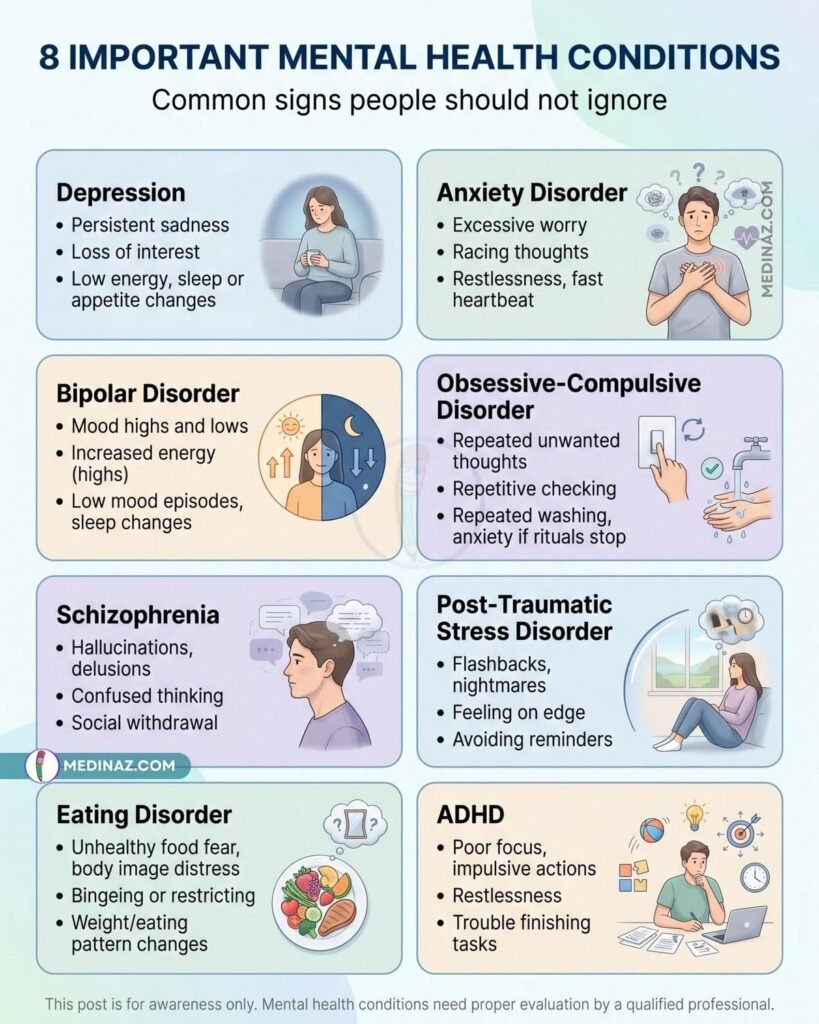
Mindfulness and Self-Compassion
Mindfulness-based stress reduction (MBSR) protocols, nature-based practices, and cultural meditation forms have been shown to enhance resilience by helping individuals stay present and engaged rather than overwhelmed by difficult emotions. Self-compassion, the ability to treat oneself with kindness and understanding during difficult times, is equally important. Mindful Self-Compassion (MSC) training, loving-kindness meditation, and self-forgiveness protocols are effective interventions for building this capacity. These practices help people develop a more balanced and compassionate relationship with themselves, which is essential for navigating life’s inevitable challenges.
The importance of self-understanding cannot be overstated. As Dr. Cresswell notes, in counseling and psychotherapy, “we talk a lot about understanding your reactions – why you’re feeling or responding a certain way in a particular moment. That’s often the first step towards knowing yourself”. This self-awareness is the foundation upon which resilience is built.
Social-Level Pathways: The Power of Connection
Individual resilience does not develop in isolation. Social connections are among the most powerful predictors of resilience and mental health. The scoping review identified several key social-level pathways that support resilience:
**Family Support**: Multi-generational therapy, family-based approaches, and family resilience training strengthen the family unit as a source of emotional support and stability. During crises, family can be a critical source of strength. In a study of group therapy’s impact, participants reported “new ways of coming in touch with each other in family” and “new mechanisms of coping with stress and anxiety in family”.
**Peer Support and Social Networks**: Peer support groups, community connectors, and social prescribing (where healthcare providers refer patients to community-based activities) have all been shown to enhance resilience. Social networks provide practical and emotional support, reduce isolation, and create opportunities for shared meaning and purpose.
**Community Resources**: Resilience hubs, asset mapping, and collective action projects build community capacity to support mental health. These community-based approaches are particularly important in low-resource settings where formal mental health services may be limited.
**Cultural Connection**: Cultural practices, land-based healing, and spiritual ceremonies provide a sense of identity, belonging, and meaning that supports resilience. Recognizing and affirming cultural identity is a powerful way to build individual and collective strength.
Research in South Asia confirms the importance of these social connections. A scoping review of adolescent resilience interventions in the region found that common active components included mindfulness, art-based expression, and life skills training delivered face-to-face through group lessons and activities, particularly in classroom settings. However, the review also noted that interventions focused mainly on the individual and not the social environment, suggesting a need for multilevel community-led interventions that enhance social scaffolding for adolescents in the region.

Systemic-Level Pathways: The Role of Environment
Individual and social resilience are supported or undermined by the broader systems in which people live. The scoping review identified systemic factors that influence resilience:
**Economic Security**: Financial literacy programs, emergency assistance, and income support advocacy help reduce the stress and uncertainty that can erode resilience. Financial stress is a significant contributor to mental health problems, and addressing economic insecurity is a critical component of building resilience.
**Digital Inclusion**: Digital literacy training, technology access, and online mental health tools are increasingly important for resilience. The digital divide can exacerbate isolation and limit access to mental health resources, making digital inclusion a matter of health equity.
**Environmental Factors**: Green space access, safe housing initiatives, and climate adaptation are essential for mental health. In flood-affected areas of Pakistan, the destruction of houses, crops, and health infrastructure has had devastating mental health consequences, particularly for women.
**Policy Advocacy**: Structural change advocacy, health equity policies, and community empowerment create the conditions for resilience to flourish. When policies support health and well-being, they create an environment where individuals and communities can thrive.
Resilience-Oriented Interventions: Evidence from Around the World
The growing recognition of resilience as a key protective factor has led to the development of resilience-oriented therapeutic interventions. These approaches shift the focus from asking “What is wrong with you?” to “What are your strengths?”—a fundamental reorientation that empowers patients and promotes healing.
Resilience-Oriented Therapy in Rwanda
In Rwanda, the 1994 genocide against the Tutsi left the country grappling with profound social and psychological trauma. Over one million lives were lost, and the destruction of social fabric and institutions created a generational impact on mental health. Research has shown high rates of post-traumatic stress disorder, depression, and anxiety among survivors and their descendants.
To address these challenges, Interpeace and its partners developed Resilience-Oriented Therapy (ROT), a program protocol that takes a holistic approach aligned with Rwanda’s collectivistic values. The program addresses trauma through scalable, community-based interventions that emphasize resilience and social cohesion. A randomised controlled trial of ROT demonstrated remarkable effectiveness. Depression rates dropped from 22.5% to 8%, anxiety from 33.5% to 15.7%, and borderline personality disorders from 11.3% to 6.5% among treatment group members. These findings demonstrate that resilience-oriented interventions can be effective even in contexts of profound collective trauma.

Community-Based Resilience Building in Pakistan
Pakistan faces a dual burden: recurrent natural disasters and a mental health system that serves only a fraction of those in need. In June 2022, extreme flooding caused immense destruction of crops, houses, and health infrastructure, displacing over 15 million people. Accompanied by political instability, stigma towards mental health, and an absence of integration of mental health services in primary healthcare, more than 13,000 individuals were severely mentally and physically affected.
A study currently underway in flood-affected areas of Sindh province aims to demonstrate that mental health screening, referral, and resilience-building group sessions can be successfully administered by community health workers in rural Pakistan. The study focuses on women of reproductive age, who are at heightened vulnerability due to the physical demands of reproductive health combined with the psychological stressors of displacement and environmental crises. The methodology includes brief screening using the GAD-2 and PHQ-2 scales, awareness-raising and resilience-building sessions, and referral to primary health facilities for those who screen positive.
The study is unique in its focus on training community health workers for easier social integration with women in the setting. This approach recognizes that in rural Pakistan, where approximately 56% of Sindh lacks psychiatrists and sufficient mental health facilities, community-based models are not just preferable but essential. The results of this trial, once published, can inform policy in low- and middle-income country contexts.
Global Mental Health Initiatives in Afghanistan
In Afghanistan, years of conflict and economic hardship have taken a heavy toll on mental health. To address this, the World Health Organization, with support from the European Union, is bringing life-changing mental health and psychosocial support programs to those most in need.
The impact of these programs is evident in the stories of individuals who have participated. Mahdiyah, who lost her brother and felt completely lost, attended sessions at Badakhshan Provincial Hospital that helped her rediscover herself “a step at a time.” Lal, who suffered from severe depression for three years, found comprehensive support at Zaranj Provincial Hospital that combined counseling and targeted treatment. Homa, who experienced overwhelming sadness, found that each structured session at Bamyan Provincial Hospital became a small step towards a cure.
These stories illustrate that targeted support can help people heal, rebuild, and find hope amid life’s toughest challenges. They also underscore a critical message: help-seeking is not a sign of weakness but an act of strength that leads to better outcomes.
Building Resilience in Children and Young People
Children and young people are particularly vulnerable to mental health challenges, yet they also represent a critical opportunity for preventive intervention. The theme of Children’s Mental Health Week, “Know yourself, grow yourself,” focuses on teaching children to develop self-awareness and resilience.
In Singapore, the Ministry of Education has integrated mental health education into the Character and Citizenship Education curriculum. The program employs a strengths-based approach, recognizing that all students are capable of developing resilience by tapping on internal strengths (mindsets and skills) and external strengths (the environment and people around them). Key messages include that mental health is part of overall health, resilience can be strengthened like a muscle, and help-seeking is a sign of strength.
Dr. Sarah Cresswell emphasizes the importance of collective resilience in schools. She describes a project in a school with high referral rates to mental health services. Rather than jumping straight to solutions, the team facilitated conversations with both students and staff to understand what “unsafe” meant to each group. By bringing these insights together, the school made systemic changes: better communication structures, clearer behavioural expectations, and a focus on co-regulation strategies rather than punitive responses. This approach shifted the focus from fixing individuals to strengthening the entire school community.
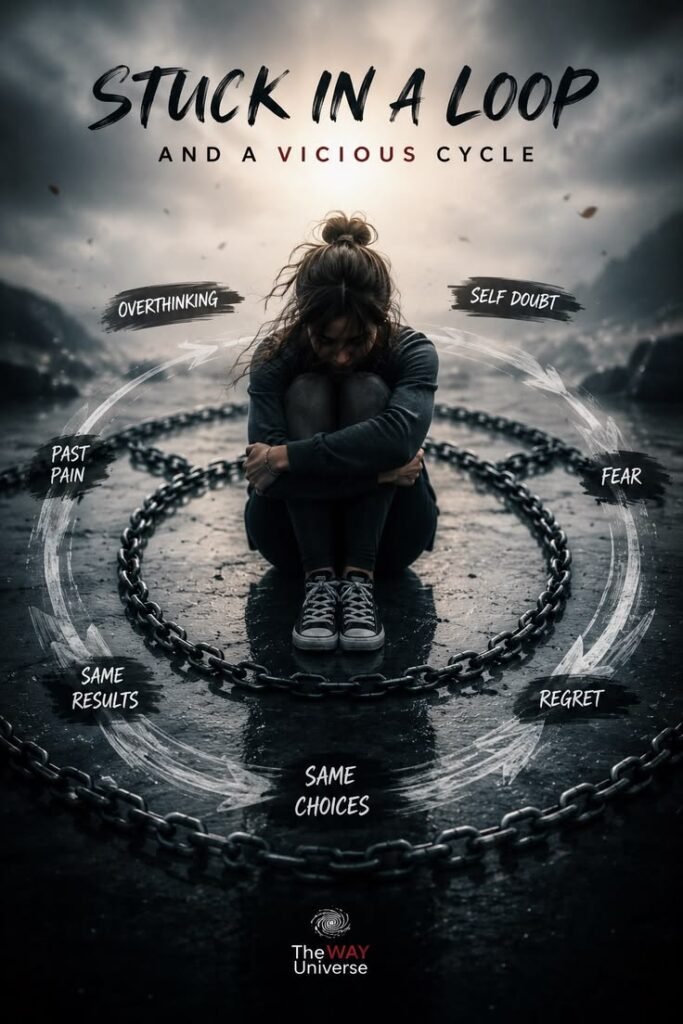
Advice for Parents and Carers
For parents and carers who want to help children become more resilient, Dr. Cresswell offers practical advice:
**Know yourself first**. Children learn not just from what we say but from what we do. If we want them to be resilient, we have to model emotional regulation ourselves. This includes managing our own stress and emotions and recognizing how we react to situations.
**Validate emotions, but reframe setbacks**. Instead of saying “Don’t worry, it’s nothing,” try “I can see this is really upsetting you. Let’s think about what we can do next.” This approach shows children that difficult feelings aren’t something to be avoided or feared.
**Teach problem-solving, not perfection**. Resilience isn’t about always succeeding; it’s about handling setbacks. Encourage small risks and independence, even if that means allowing children to make mistakes and figure out how to fix them.
**Connection before correction**. When children feel heard and understood, they are more open to learning from us. Before correcting behavior, focus on connection by acknowledging their emotions, letting them express themselves, and then helping them work through the challenge.
**Foster a “good enough” mindset**. We don’t need to teach children to be perfect; we need to teach them to be okay with imperfection. If they see us making mistakes and handling them with self-compassion, they’ll learn to do the same.
Practical Strategies for Building Resilience in Daily Life
The Mayo Clinic offers practical tips for building resilience that can be incorporated into daily life:
**Get connected**. Building strong, healthy relationships with loved ones and friends provides needed support and helps guide you in good and bad times. Connect with others by volunteering or joining a faith or spiritual group.
**Make every day have meaning**. Do something that gives you a sense of success and purpose every day. Set clear, reachable goals to help you look toward the future with meaning.
**Learn from the past**. Think about how you’ve coped with troubles in the past. What has helped you through tough times? Writing about past events in a journal can help you see patterns and guide future responses.
**Stay hopeful**. You can’t change the past, but you can look toward the future. Being open to change makes it easier to adapt and view new challenges with less worry.
**Take care of yourself**. Tend to your own needs and feelings. Engage in activities and hobbies you enjoy. Include physical activity in your daily routine. Get plenty of sleep and make bedtime rituals. Eat a healthy diet. Practice stress management through yoga, meditation, guided imagery, deep breathing, or prayer.
**Take action**. Don’t ignore problems. Instead, figure out what you need to do, make a plan, and take action. It can take time to recover from a major setback, but life can improve if you work at it.
Conclusion: A Future of Resilience and Hope
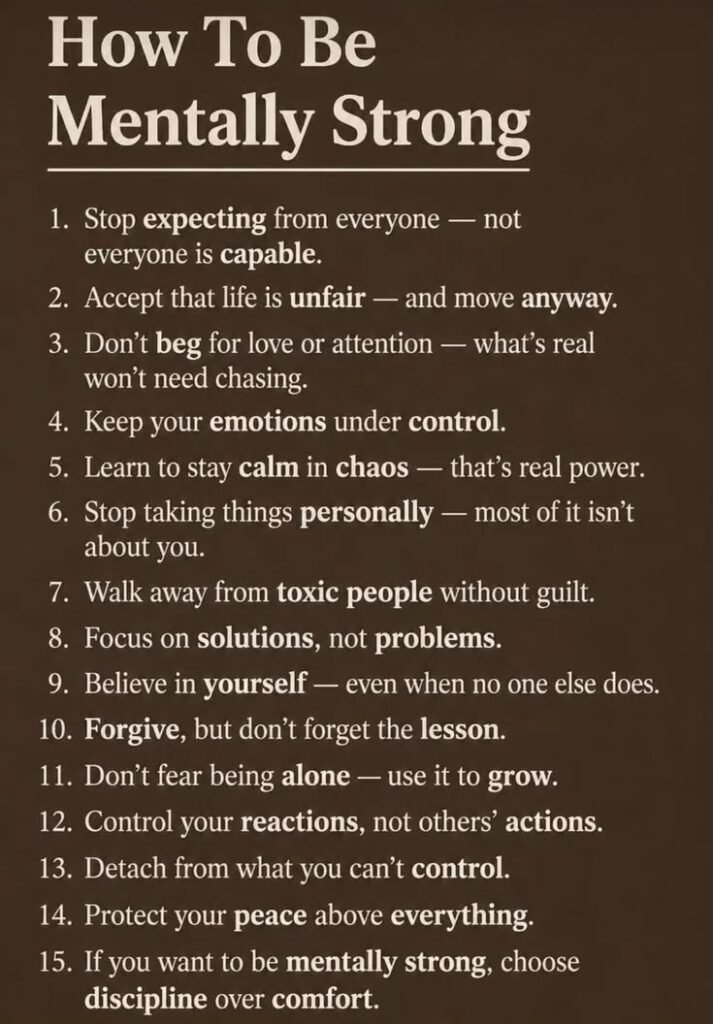
**Mental Health Care: Building Resilience and Emotional Strength** represents a fundamental shift in how we approach mental well-being. Instead of waiting for crises to develop and then treating them, we can proactively build the protective factors that help individuals, families, and communities weather life’s challenges. This shift is not merely aspirational; it is essential.
The evidence is clear: resilience is not a fixed trait but a set of skills that can be learned and strengthened. From individual-level practices like mindfulness and self-compassion to community-based approaches that strengthen social connections, and systemic policies that create environments supportive of mental health, we have a growing toolkit for building resilience across the lifespan.
In South Asia, where the burden of mental health problems is particularly high, there is an urgent need to adapt and scale multilevel community-led resilience-promoting interventions that enhance social scaffolding for adolescents and other vulnerable populations. The ongoing study in flood-affected areas of Pakistan demonstrates that mental health screening, referral, and resilience-building group sessions can be successfully administered by community health workers, even in resource-constrained settings.
The stories of individuals like Mahdiyah, Lal, and Homa in Afghanistan show that healing is possible, even in the most difficult circumstances. The Rwanda experience demonstrates that resilience-oriented interventions can be effective in addressing profound collective trauma. And the work in schools in Singapore and the UK shows that building resilience can be integrated into educational systems, creating supportive environments that nurture children’s mental health.
Getting more resilient takes time and practice. As the Mayo Clinic notes, if you don’t feel you’re making progress or you don’t know where to start, talk with a mental health professional. With guidance, you can improve your resiliency and mental well-being. The journey may be challenging, but it is one of the most important investments we can make—in ourselves, in our communities, and in our shared future.

Conclusion
Mental health care is essential for building resilience and emotional strength in today’s fast-paced and demanding world. By developing healthy coping strategies, practicing self-care, strengthening social connections, and seeking professional support when needed, individuals can better manage stress and overcome life’s challenges. Resilience is not about avoiding difficulties; it is about learning to adapt, recover, and grow stronger through adversity.
As awareness of mental health continues to grow, communities, healthcare providers, and policymakers must work together to create supportive environments that promote emotional well-being for everyone. Investing in mental health today leads to healthier individuals, stronger families, and more resilient communities tomorrow.
For additional information on mental health and emotional well-being, visit the World Health Organization Mental Health Resources: https://www.who.int/health-topics/mental-health
You may also like our related article on Soil Health: Benefits, Importance, and Improvement Strategies to explore how overall well-being is connected to a healthier environment:
https://musalamcreations.online/soil-health-benefits-importance-and-improvement-strategies/